No to Violence has an unwavering commitment to acknowledging and celebrating service users and staff from a range of diverse communities including LGBTIQA+SB, First Nations, Multicultural, Multifaith, Refugees and Asylum Seekers, Culturally and Racially Marginalised (CARM), People with a Disability and those in Regional and Remote areas.
This webpage will provide information for people from a range of diverse communities, both those who use abuse and those who know and love them.

Diversity and Inclusion Statement
No to Violence is a feminist and Child Safe organisation. We acknowledge the gendered nature of domestic and family violence and centre the safety and empowerment of women and children in all that we do. We are committed to equity, diversity, and inclusion, and to upholding the rights of all people to participate in environments that are safe, respectful, and free from discrimination.
We value people of all backgrounds, including culturally and racially marginalised communities, people with disabilities, and people of all faiths. We celebrate and welcome the LGBTIQA+SB community including people of diverse sexual orientations, gender identities and expressions, and intersex status. We are committed to creating inclusive, affirming and psychologically safe environments. We welcome the unique contributions and perspectives of all people to ensure our workforce is representative of the communities we work for and live in.
Cultural Safety Statement
NTV recognises and values the distinct contribution people can make because of their unique background, different skills, experiences and perspectives.
NTV is committed to creating a culturally safe environment where all people are treated with dignity, courtesy and respect, consistent with Equal Opportunity, Health and Safety and Industrial Laws, and in accordance with the Victorian Human Rights Charter and NTV’s code of conduct and values.
Where a staff member or service user feels they have been subject to discrimination during their engagement with NTV, they are able to utilise informal or formal options for resolving the matter.
Intersectionality Statement
The term intersectionality describes how multiple forms of inequality, discrimination and disadvantage compound to shape a person’s lived experience. This includes, but not limited to, the intersections of sexism, racism, colonisation, ableism, homophobia and transphobia as well as ageism and class discrimination and poverty.
No to Violence is committed to an intersectional feminist approach to address domestic and family violence. This includes the gendered drivers of violence and their intersection with additional forms of violence, oppression and inequity.
First Nations
There are behaviour change programs specific to First Nation men and communities in many parts of the country. These are usually run by Aboriginal Community-Controlled Organisations (ACCOs) but may not be available in all areas. MRS can refer you to the service in your area most appropriate for your situation and language.
We have several inclusion initiatives for First Nations people, including:
- regular diversity training
- Community Advisory Council
Services
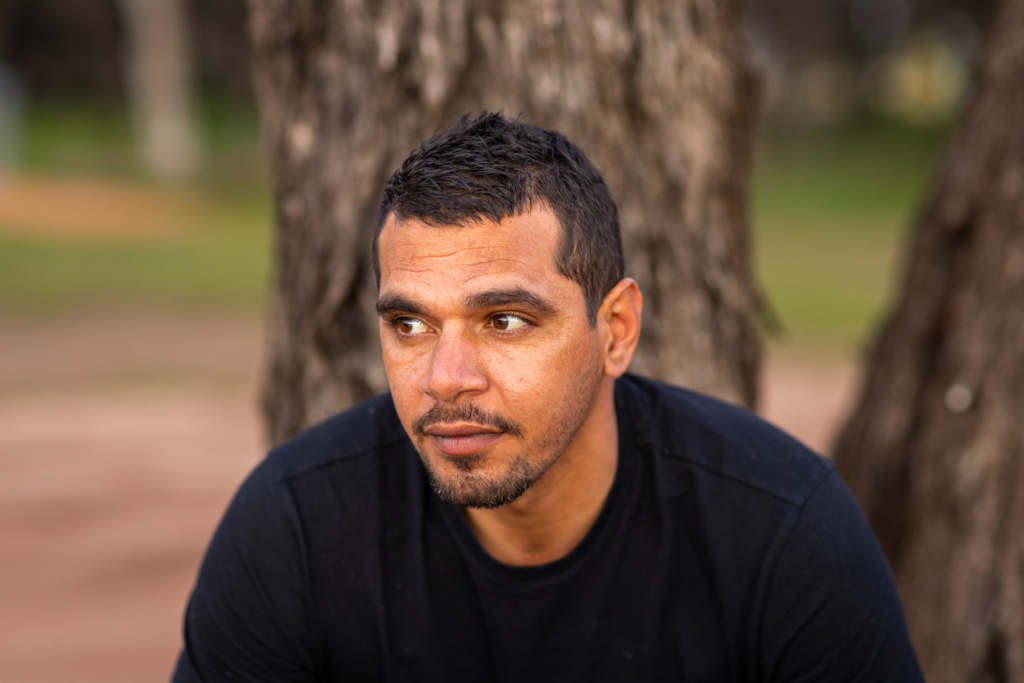
Family violence is the most widely used term to identify the experiences of Aboriginal people because it includes the broad range of marital and kinship relationships in which violence may occur, rather than just intimate relationships. It involves the same sorts of behaviours as domestic violence.
There are behaviour change programs specific to First Nation men and communities in many parts of the country. These are usually run by Aboriginal Community-Controlled Organisations (ACCOs) but may not be available in all areas. A small but growing number of programs are being developed to work with Aboriginal and Torres Strait Islander perpetrators of domestic and family violence, often within a holistic family and community context, and with a significant component focusing on cultural dispossession, intergenerational trauma and the effects of colonisation.
MRS can refer you to the service in your area most appropriate for your situation and language, call on 1300 766 491.
Resources
Inteyerrkwe Statement
“We the Aboriginal males from Central Australia and our visitor brothers from around Australia gathered at Inteyerrkwe in July 2008 to develop strategies to ensure our future roles as grandfathers, fathers, uncles, nephews, brothers, grandsons, and sons in caring for our children in a safe family environment that will lead to a happier, longer life that reflects opportunities experienced by the wider community.
We acknowledge and say sorry for the hurt, pain and suffering caused by Aboriginal males to our wives, to our children, to our mothers, to our grandmothers, to our granddaughters, to our aunties, to our nieces and to our sisters.
We also acknowledge that we need the love and support of our Aboriginal women to help us move forward.”
(Note that the Inteyerrkwe Statement was carefully worded. It uses ‘males’ and not ‘man’ or ‘men’ so as to avoid confusion about ‘men’ as initiated males).
What is family, domestic or intimate partner violence?
What is a respectful relationship?
https://noviolence.org.au/wp-content/uploads/2021/08/FS_RespectfulRelationships_2019.pdf
What is a Men’s Behaviour Change Program (MBCP)?
What is an intervention order?
LGBTIQA+SB
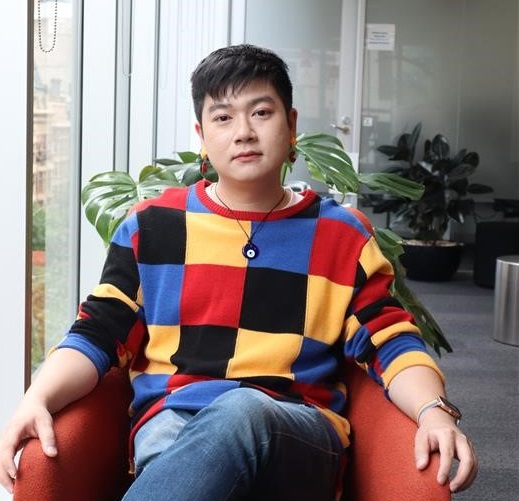
NTV acknowledges that gender inequality and the gendered nature of violence includes not just women but also trans, gender diverse and non-binary people. We know that members of the LGBTIQA+ community are at risk of violence from family, partners and strangers and that stigma and discrimination are drivers of violence.
With this in mind, we have a dedicated policy outlining how we work with trans, gender diverse and non-binary people and ensure our staff attend LGBTIQA+SB inclusion training on a regular basis.
We have several inclusion initiatives for our work with LGBTIQA+ communities:
- regular diversity training
- internal lived experience staff group, NTV Pride, for LGBTIQA+SB staff
- Diversity Allies program
- Community Advisory Council
Rainbow Tick
NTV achieved Rainbow Tick accreditation in 2022 after a concerted effort by a small team with the support of the whole organisation. This LGBTIQA+ national accreditation is well respected and ensures inclusion and the cultural safety of LGBTIQA+SB staff and service users.
The six Rainbow Tick Standards are:
- Organisational capability
- Workforce development
- Consumer participation
- A welcoming and accessible organisation
- Disclosure and documentation
- Culturally safe and acceptable services.
Services
There are behaviour change programs in some states and territories for Gay, Bi, Queer and Trans men, with a new national online program through Thorne Harbour Health and very few for women and other genders.
Programs for women who perpetrate domestic and family violence are different in a number of ways, including that for most participants, prior experience of violence is a significant factor in their offending. Where available, due to the relatively lower numbers of referrals, they are almost exclusively provided as individual counselling rather than group programs. Notably, a significant proportion of female offenders not only have a prior history of experiencing violence, but they also experience violence by their current or former partner against whom they have offended.
MRS can refer you to the service in your area most appropriate for your situation, call on 1300 766 491.
Resources
What is family, domestic or intimate partner violence?
- Get Help | LGBTQ Domestic Violence Awareness Foundation (dvafoundation.org)
- Find a Service – Say It Out Loud
- Are You Hurting Someone? – Say It Out Loud
- Intimate partner violence in lesbian, gay, bisexual, trans, intersex and queer communities | Australian Institute of Family Studies (aifs.gov.au)
What is a respectful relationship?
https://noviolence.org.au/wp-content/uploads/2021/08/FS_RespectfulRelationships_2019.pdf
What is a Men’s Behaviour Change Program (MBCP)?
What is an intervention order?
Understanding how coercive control can affect LGBTQIA+ people (healthtranslations.vic.gov.au)
Multicultural/Multifaith
NTV has a diverse staff base and welcomes people from every cultural background or faith to access our services.
We have several inclusion initiatives for our work with multicultural and multifaith communities:
- regular diversity training
- Community Advisory Committee

Services
There are a range of behaviour change programs specific to men from a variety of cultures in some states and territories but not all. There is only a small number of specialist MBCPs focusing exclusively on particular cultural or identity-based contexts, for example, there are MBCPs conducted in Vietnamese and Arabic, and a program for South Asian men. MRS can refer you to the service in your area most appropriate for your situation and language, call on 1300 766 491.
Resources
What is family, domestic or intimate partner violence?
- Domestic abuse and coercive control fact sheets (healthtranslations.vic.gov.au)
- Domestic and family violence (factsheet) (healthtranslations.vic.gov.au)
What is a respectful relationship?
https://noviolence.org.au/wp-content/uploads/2021/08/FS_RespectfulRelationships_2019.pdf
What is a Men’s Behaviour Change Program (MBCP)?
What is an intervention order?
https://www.healthtranslations.vic.gov.au/resources/information-about-intervention-orders
Support at Court
Visa advice
Advice about your visa if you’ve been hurt or harmed by your partner (healthtranslations.vic.gov.au)
Men Against Violence video
Men against violence (video with English subtitles) (healthtranslations.vic.gov.au)
Resources in other languages
About family violence (healthtranslations.vic.gov.au)
Domestic and family violence educational videos (healthtranslations.vic.gov.au)
Domestic and family violence (factsheet) (healthtranslations.vic.gov.au)
Healthy relationships
Healthy relationships – multicultural families (healthtranslations.vic.gov.au)
Coercive Control
Understanding how coercive control can affect older people (healthtranslations.vic.gov.au)
Understanding how coercive control can affect LGBTQIA+ people (healthtranslations.vic.gov.au)
Police
Family violence: what police do (healthtranslations.vic.gov.au)
Court
Family Safety Pack
Disability (Visible and Invisible)
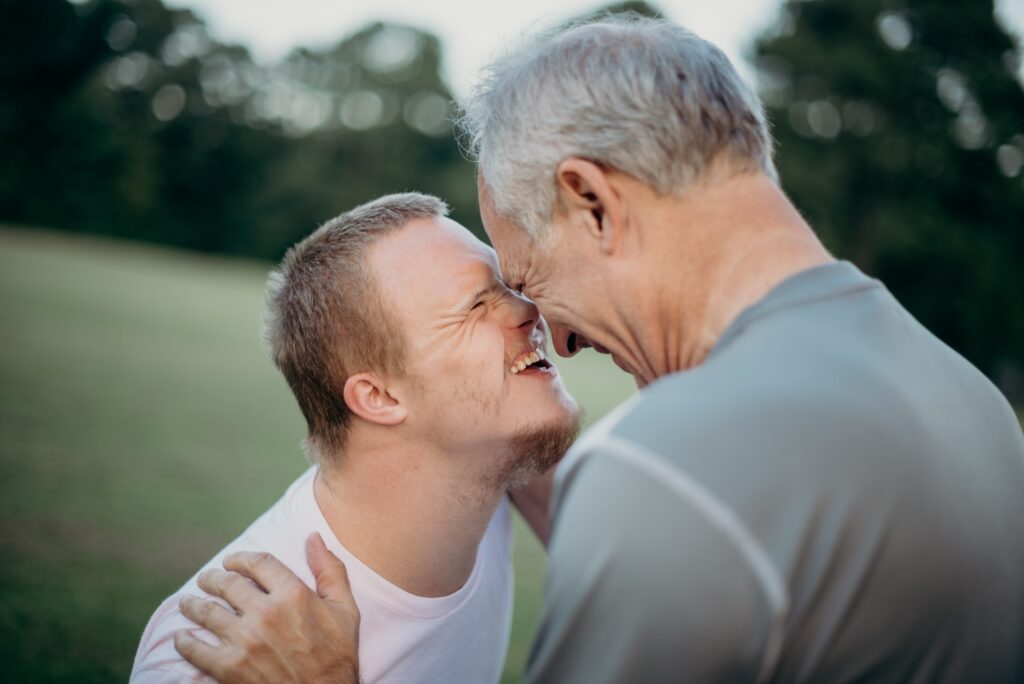
At NTV we recognise that there are a range of disabilities that are visible and invisible, and we use the broader definition that includes; physical, sensory, mobility, psychosocial, cognitive and neurological.
Providing access and inclusion to people with a disability is key in our work and we have several inclusion initiatives:
- regular diversity training
- Community Advisory Committee
Services
There are behaviour change programs specific to men with a disability in some states and territories but not all. MRS can refer you to the service in your area most appropriate for your situation and language, call on 1300 766 491.
Resources
What is family, domestic or intimate partner violence?
https://www.1800respect.org.au/inclusive-practice/supporting-people-with-disability
What is a respectful relationship?
https://noviolence.org.au/wp-content/uploads/2021/08/FS_RespectfulRelationships_2019.pdf
What is a Men’s Behaviour Change Program (MBCP)?
What is an intervention order?
What is violence and abuse? (Easy Read) (healthtranslations.vic.gov.au)
About family violence (healthtranslations.vic.gov.au)
Police
Family violence: what police do (healthtranslations.vic.gov.au)
Court
Family violence orders and going to court (healthtranslations.vic.gov.au)
Geographically/Socially/Economically/Occupationally Disadvantaged
NTV is aware of the nuanced issues that arise for people who are disadvantaged geographically (rural and remote), occupationally (sex workers) and socially and economically. As a national organisation we strive to ensure that we can support people from all of these backgrounds with our MRS telephone service, Workforce Development and through our member engagement.

Services
There are behaviour change programs in many regional and remote areas, but not in all communities. MRS can refer you to the service in your area most appropriate for your situation, call on 1300 766 491.
Resources
What is family, domestic or intimate partner violence?
What is a respectful relationship?
https://noviolence.org.au/wp-content/uploads/2021/08/FS_RespectfulRelationships_2019.pdf
What is a Men’s Behaviour Change Program (MBCP)?
What is an intervention order?
Generational/Youth and Age
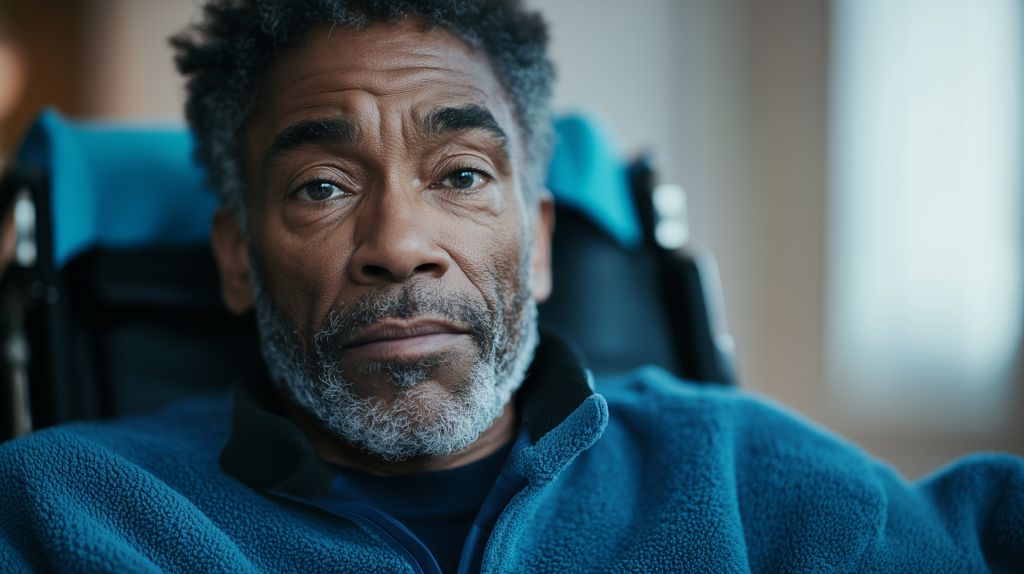
At NTV we work with people from a range of backgrounds and ages. We are aware of the nuances of elder abuse and how it fits into family and domestic violence. We support people over 18 but can refer to services that work with younger people.
Services
There are behaviour change programs specific to youth in some states and territories but not all. MRS can refer you to the service in your area most appropriate for your situation, call on 1300 766 491.
Unfortunately there is nothing specific for older people, but still call MRS on 1300 766 491 to be referred to an elder abuse service near you.
Resources
What is family, domestic or intimate partner violence?
- Elder abuse | Australian Human Rights Commission
- What is family and domestic violence – Family and domestic violence – Services Australia
- DVConnect Young people
- Adolescent to Parent Abuse
What is a respectful relationship?
https://noviolence.org.au/wp-content/uploads/2021/08/FS_RespectfulRelationships_2019.pdf
What is a Men’s Behaviour Change Program (MBCP)?
What is an intervention order?
https://www.australianfamilylawyers.com.au/information-centre/understanding-intervention-orders
Understanding how coercive control can affect older people (healthtranslations.vic.gov.au)